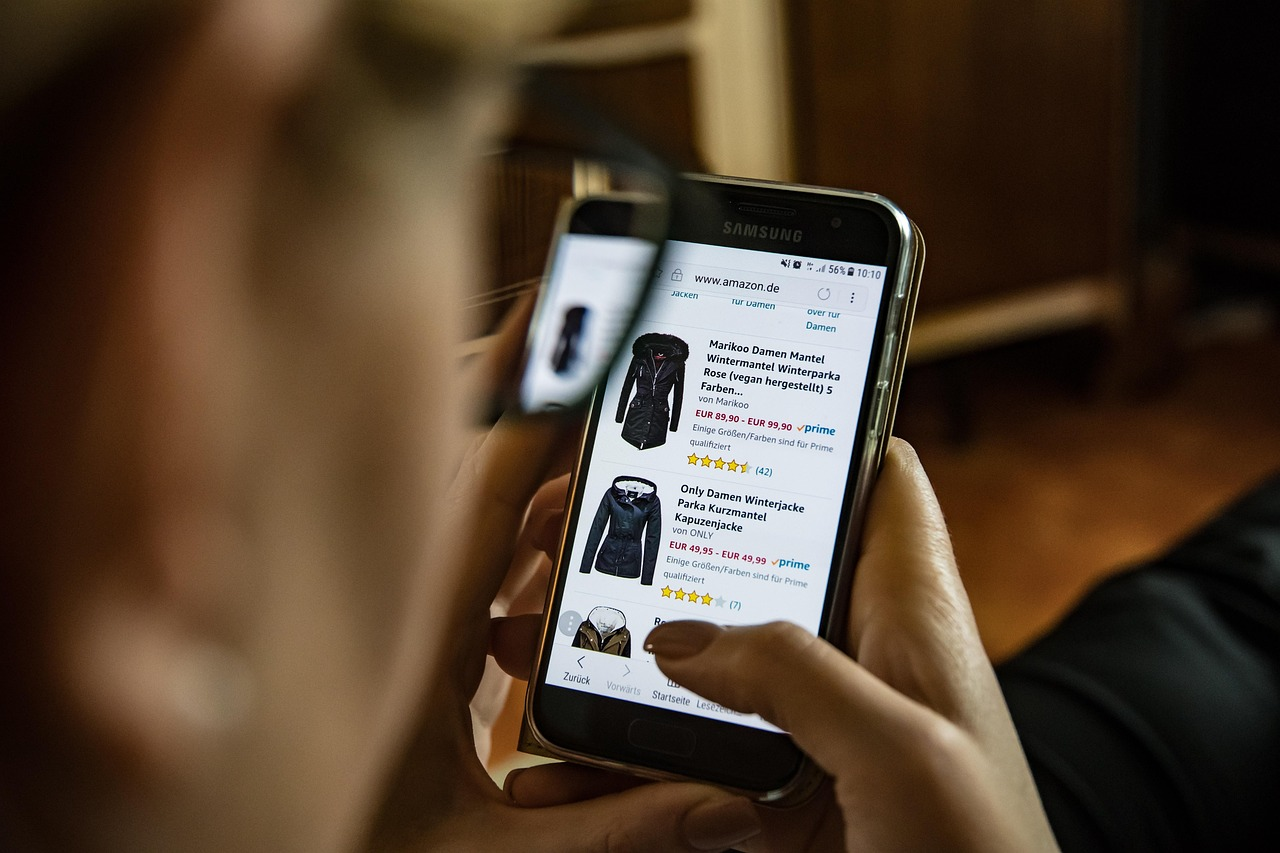
The shift toward digital spending picked up momentum after 2020. This general change didn’t leave Mid-Michigan untouched. Businesses adapted, incentives changed, and consumer habits followed. More people shop, subscribe, book, and pay through online platforms than ever before. That shift did not happen randomly. It came from specific local conditions, especially economic ones, and a mix of strategic online offerings that now shape how people decide to spend.
Online Incentives Grow as Wallets Shrink
With prices climbing across groceries, fuel, and services, Mid-Michigan residents have started paying closer attention to where real value shows up. In many cases, that value sits online. Several industries now reserve their best incentives for digital platforms, where competition pushes them to offer more for less. One clear example is the online games of chance sector. Some platforms stand out by lowering the barrier to entry without cutting corners.
Players looking for practical options focus on finding where to play with $20 deposits, since that amount can unlock access to thousands of digital games, including reel-based titles and other familiar formats. These platforms often promote six-figure jackpots and make customer support easy to reach. They appeal to those who want access without overspending and prefer to test the waters without jumping in headfirst. In this climate, that kind of approach feels less like a trend and more like a shift in common sense.
Platforms Reshape Spending Habits
People do not simply switch to online shopping out of convenience. They do it because they can manage more of their financial life from a single device. Grocery delivery apps, secondhand item sales, streaming bundles, subscription reorders, once a person gets used to managing those digitally, it becomes the new standard.
Local businesses that used to rely on walk-ins have felt that pressure. Restaurants had to add mobile menus and delivery tie-ins. Hardware stores linked up with national fulfillment chains. Even local gyms began offering virtual class passes. Digital adaptation became a survival tactic. That transition did not come evenly. Smaller operations that held off on tech investment have seen their customer base shrink.
The large-scale platforms, on the other hand, kept expanding their grip. They offer everything from installment payments to customized marketing. This holds especially true in Mid-Michigan areas where public transit is limited. Buying online solves logistical gaps that physical retail cannot cover. People avoid traffic. They avoid gas costs. They order on lunch breaks or during late hours. The transaction windows opened wider.
Mobile Access Alters the Pace of Spending
Smartphones now serve as the main portal for online purchases. The computer in the living room still gets used, but real-time decisions increasingly happen on mobile screens. A flash sale alert pops up. A local event gets canceled. Someone orders takeout or replaces a broken phone charger, all in under two minutes.
This change affects which businesses stay visible. If a company’s website loads slowly or if the checkout process has too many steps, it gets passed over. Mobile optimization is no longer optional. It’s the frontline for customer retention. Many local businesses in Mid-Michigan, from plumbers to beauty salons, recognized this trend early. By adopting online scheduling tools and SMS confirmations, they began attracting more repeat bookings.
Mobile-driven spending also means purchases happen in brief windows. A person might browse during a morning coffee or just before bed. Platforms that can catch attention in that moment win the sale. That favors sellers who keep their presentation clean and fast. It also means trust is earned quickly or not at all.
Mid-Michigan’s New Standard for Spending
What shapes digital spending in Mid-Michigan isn’t chance. Rising budget pressures and evolving tech combined to make people smarter with money. They now chase better deals, trust peer input, and try new tools with caution.
Local businesses had to make decisions, adapt or get left behind. The ones that invested in online access, transparency, and mobile support made themselves visible. The rest began fading from view. People want to spend where the terms are clear and the access is easy. Online channels fit that standard.
Digital spending continues to reshape how and where transactions happen. The real shift isn’t in the tech itself. It’s in how people use it to regain control over what they spend and how far their money can go.